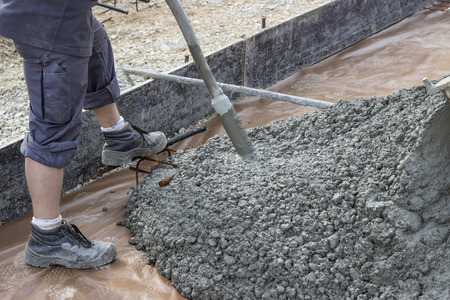
When you first built your new house or opened your business, you may have chosen to install a gravel driveway or parking lot. The low cost, easy and fast installation, and rustic look matched with your budget, needs and desires.
Advantages of a Gravel Driveway or Parking Low Price:
- Gravel is one of the most affordable parking lot paving options available. However, be sure to factor in the cost of top-dressing the gravel material every few years.
- Easy Installation and Maintenance: From start to finish, laying a gravel driveway will take less than a week. Once installed, it can be used right away. Maintenance is quite minimal: Gravel may sink due to environmental conditions such as rainwater or snow, and filling in sunken areas may need to be done a few times a year.
Disadvantages of a Gravel Driveway or Parking Lot
As time goes on, you may have started to notice a few of the following issues with your gravel driveway or gravel parking lot:
- Difficulty with Snow Removal: Here in the Midwest, snow and ice removal can be difficult on gravel surfaces. Using salt or sand on top of the snow and gravel is one of the only ways to make the surface safe to walk and drive on.
- Ruts and Sinkholes: Gravel driveways and parking lots that get a lot of use are prone to developing ruts. These gaps in the gravel surface need to be filled to keep the area safe and looking nice.
- Dust and Dirt: A gravel parking lot or driveway can cause dust, debris and dirt to fly, particularly during dry weather. This can cause the exterior of your home, business, and vehicles to look dirty, and can be an unpleasant experience for customers or tenants.
Ready to Make the Switch to Asphalt Pavement?
If these problems with gravel have become too much for you to maintain, then switching to asphalt pavement is the right choice. Converting your gravel driveway or parking lot into asphalt pavement is straightforward process.
Here are the five steps that you and your parking lot paving contractors should follow:
 Step 1: Always Hire A Reputable Asphalt Parking Lot Paving Contractor
Whether you are considering using Wolf Paving for your asphalt driveway installation or another asphalt paving contractor in Madison, Waukesha or Milwaukee, make sure you take your time and do your research. There are specific qualities you should look for in parking lot paving contractor, including reviews and customer feedback, as well as experience with your type of asphalt pavement needs.
 Step 2: Surface Grade and Water Runoff Evaluation
Year-round precipitation is a reality here in Wisconsin. Your experienced asphalt-paving contractor should carefully examine the installation site and determine the grade needed for appropriate water runoff. Water is the one of five enemies of asphalt pavement, and managing it must be considered before any asphalt paving installation begins.
 Step 3: Foundation Installation
After the necessary grade for water runoff has been determined, the foundation, or sub-base, of your asphalt pavement will be laid. The sub-base is essential for two reasons:
- It provides a stable surface to support the asphalt pavement.
- It provides a frost barrier that will reduce winter damage caused by cycles of freezing and thawing.
The minimum thickness of the sub-base for most parking lot paving projects is approximately 4 inches. The thickness of the sub-base is usually based on what the asphalt pavement surface will be used for. A normal driveway or parking lot for car and SUV traffic usually requires 4-6 inches of sub-base. If your parking lot or driveway will be used by heavy equipment like trailers or trucks, a deeper base is recommended.
 Step 4: Good Asphalt Paving Installation Materials and Practices
Two essential parts of asphalt pavement installation are a reliable installation team and high-quality materials. Selecting a Waukesha asphalt-paving contractor that maintains their own asphalt plants means that the asphalt material used in your project will be custom created to match your climate, drainage and surface needs.
High quality materials need an equally high quality team for effective installation. A contractor and installation team that follows the correct guidelines, like installation temperature and timelines and proper surface preparation, will produce the best and longest lasting results possible.
 Step 5: Regular Maintenance of Your Asphalt Pavement
Once your new asphalt parking lot or driveway has been installed, a little investment in preventative maintenance will prolong the life of your surface - providing big savings in the long run. Regular sealcoating, crack filling, and pothole repair are all essential. If your have recently purchased a property with a an asphalt parking lot or driveway that is in bad shape, an asphalt overlay is a great option to give it a new look. In most cases, an asphalt overlay can add 5-10 years to the lifespan of your surface.
Not convinced? Contact us now to tell us about YOUR unique paving project and we can provide asphalt expertise to help you make your final decision.
With 75 years of asphalt paving experience, from highways to driveways, we are your local source for all of your asphalt paving needs.
Wolf Paving offers professional paving services from Milwaukee to Madison, and everywhere in between, including all areas around: Sun Prairie, Oconomowoc and Waukesha.
It’s never too early or too late to request a free paving estimate. Call Wolf Paving today. For the Milwaukee area, call us at 262-965-2121. For the Madison area, call us at 608-249-7931.


The post
How to Change Gravel Surface Into Asphalt Pavement in 5 Easy Steps appeared first on http://www.wolfpaving.com/blog
Discover More Here
http://iambrandonholden.blogspot.com/2016/07/how-to-change-gravel-surface-into.html